The Difference Between a Quote, Estimate, and Proposal
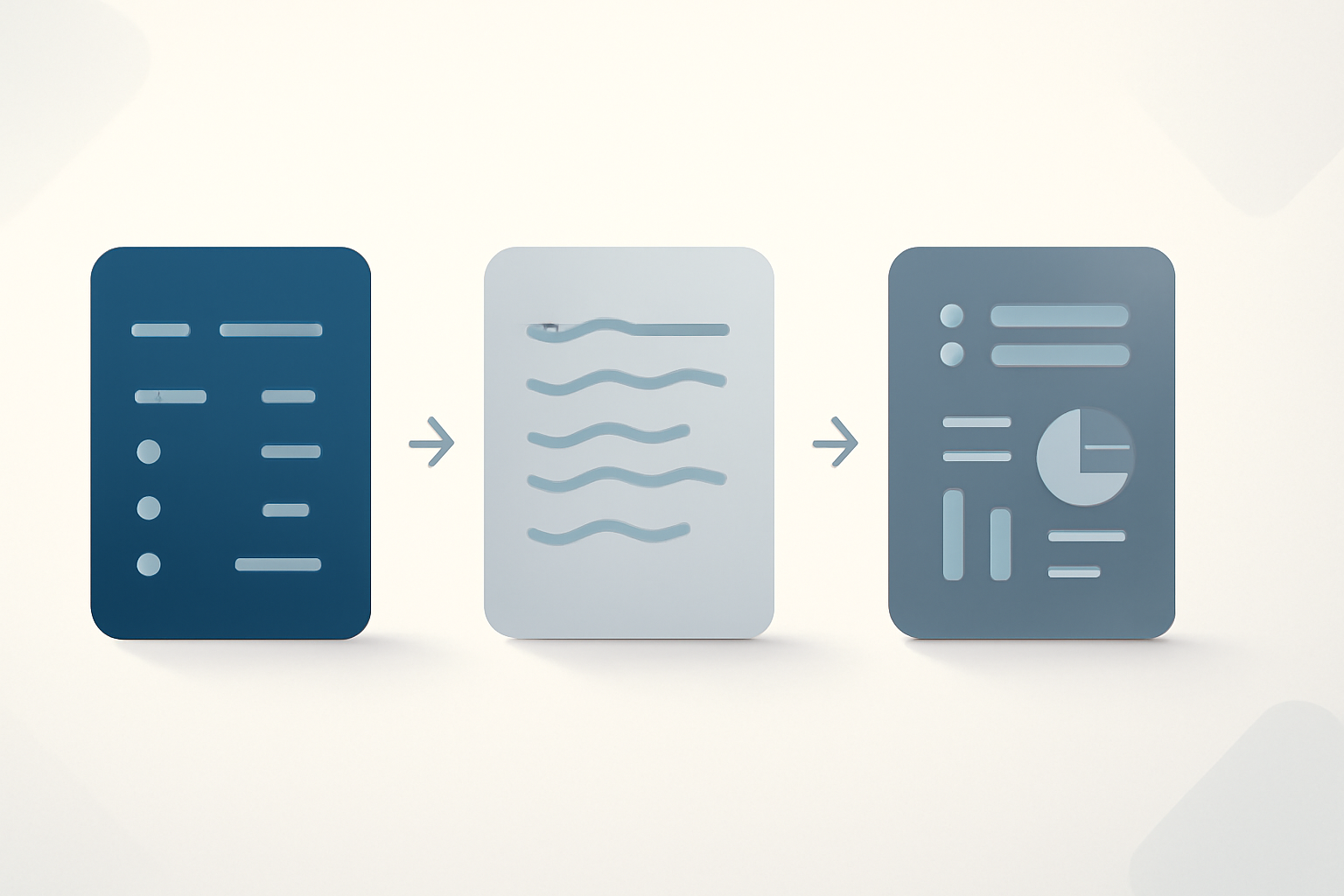
If you’ve ever found yourself staring at a blank document, wondering whether to call it a “quote,” “estimate,” or “proposal,” you’re not alone. These three terms get tossed around interchangeably, but they’re actually quite different — and using the wrong one could cost you a client or land you in a pricing pickle.
Understanding these distinctions isn’t just about semantics. Each document serves a specific purpose in your client relationship, sets different expectations, and offers varying levels of legal protection. Let’s break down exactly what each one means and when you should use them.
What Is a Quote?
A quote is your most concrete pricing document. It’s a firm, fixed price for specific work that typically can’t be changed once accepted by the client. Think of it as your final answer — like when a game show host asks “Is that your final answer?”
Key Characteristics of Quotes
- Fixed pricing that won’t change (barring major scope changes)
- Detailed breakdown of exactly what’s included
- Expiration date (usually 30-60 days)
- Legally binding once accepted by both parties
- Professional commitment to deliver at the stated price
Pro Tip: Only provide quotes when you have all the project details nailed down. A rushed quote based on incomplete information can eat into your profits quickly.
When to Use a Quote
Use quotes when:
- The project scope is clearly defined and unlikely to change
- The client has provided detailed specifications
- You’re confident in your time and resource estimates
- The client specifically requests a “quote” (they may need it for their budgeting process)
- You’re bidding on a project with fixed requirements
What Is an Estimate?
An estimate is your educated guess about project costs. It’s more flexible than a quote and gives you wiggle room if the scope changes or unexpected challenges arise. Think of it as your “ballpark figure” that helps clients understand the general investment required.
Key Characteristics of Estimates
- Approximate pricing that can fluctuate
- Broader scope descriptions
- Built-in flexibility for scope changes
- Less legally binding than quotes
- Starting point for negotiations
When to Use an Estimate
Estimates work best when:
- Project requirements are still being defined
- The client is in early planning stages
- You’re dealing with complex projects where unknowns exist
- The client wants a rough idea of investment before committing
- You’re providing multiple service options
Pro Tip: Always include language like “estimated cost” or “approximate investment” to set proper expectations. This protects you if the actual work requires more time or resources.
What Is a Proposal?
A proposal is your most comprehensive document. It’s not just about pricing — it’s about selling your solution, demonstrating your expertise, and convincing the client that you’re the right choice for their project.
Key Characteristics of Proposals
- Complete solution overview including methodology
- Detailed project timeline and milestones
- Your qualifications and relevant experience
- Terms and conditions clearly outlined
- Multiple service tiers or options (often)
Essential Elements of a Strong Proposal
A well-crafted proposal should include:
- Executive summary of the client’s problem and your solution
- Scope of work broken down by phases or deliverables
- Timeline with key milestones and deadlines
- Investment breakdown (can include quote or estimate pricing)
- Your credentials and why you’re the best fit
- Next steps and approval process
When to Use a Proposal
Proposals are your go-to for:
- Complex, high-value projects
- Competitive bidding situations
- New client relationships
- Projects requiring stakeholder buy-in
- Long-term engagements or retainers
Pro Tip: Tailor each proposal to the specific client. Generic proposals are easy to spot and often get rejected in favor of more personalized approaches.
The Legal Differences That Matter
Understanding the legal implications of each document type can save you from disputes and scope creep down the road.
Binding vs. Non-Binding
- Quotes become binding contracts once accepted
- Estimates are generally not legally binding
- Proposals can become binding if they include contract terms and are accepted
Pricing Flexibility
- Quotes lock you into specific pricing
- Estimates allow for price adjustments
- Proposals depend on how you structure the pricing section
Scope Protection
The more detailed your document, the better protected you are from scope creep. Quotes and proposals with detailed scope descriptions offer the most protection.
Practical Examples in Action
Let’s look at how this works in real scenarios:
Scenario 1: Website Redesign
Use an estimate when the client says: “We want to refresh our website. Can you give us an idea of what that might cost?”
Use a quote when the client provides: “We need a 5-page website redesign with specific functionality requirements, mobile optimization, and SEO setup.”
Use a proposal when: You’re competing against other agencies and need to showcase your process, timeline, and why your approach is best.
Scenario 2: Logo Design
Use an estimate for: “We’re a startup and need a logo. What’s your typical investment?”
Use a quote for: “We need a logo delivered in specific file formats, with 3 initial concepts and 2 rounds of revisions.”
Use a proposal for: A complete brand identity project including logo, business cards, letterhead, and brand guidelines.
Best Practices for Each Document Type
Quote Best Practices
- Include detailed line items
- Set clear payment terms
- Add expiration dates
- Specify what’s included and excluded
- Use professional invoicing software to track quote status
Estimate Best Practices
- Use ranges when appropriate (“$2,000-$3,000”)
- Include assumptions (“based on 2 rounds of revisions”)
- Set expectations about final pricing
- Follow up to convert estimates into firm quotes
Proposal Best Practices
- Lead with the client’s problem, not your services
- Use visuals and formatting to improve readability
- Include social proof and testimonials
- End with a clear call-to-action
- Make it easy to say “yes”
Common Mistakes to Avoid
Don’t mix up terminology. If a client asks for a quote, don’t send an estimate. They might need firm pricing for their own budgeting or approval processes.
Don’t underprice quotes. Since quotes are binding, lowball pricing can hurt your profitability. Take time to think through all project requirements.
Don’t over-complicate estimates. Keep them simple and focused on helping the client understand investment levels.
Don’t send generic proposals. Cookie-cutter proposals rarely win work. Invest time in customization.
Streamlining Your Document Process
Managing quotes, estimates, and proposals doesn’t have to be overwhelming. The key is having systems in place that make it easy to create professional documents quickly.
Consider using tools that help you:
- Template common sections you use repeatedly
- Track document status and follow-up timing
- Convert estimates to quotes seamlessly when scope is finalized
- Integrate with your invoicing process once work is approved
Professional presentation matters just as much as accurate pricing. Clients often judge your attention to detail and professionalism based on how your documents look and how easy they are to understand.
Whether you’re sending a quick estimate or crafting a comprehensive proposal, the right document can make the difference between winning and losing a project. Take time to understand which type fits each situation, and your client relationships will improve along with your win rate.
Ready to create professional quotes that convert? InvoBee‘s quote management system makes it easy to create, send, and track all your pricing documents in one place. Start building better client relationships with documents that look as professional as your work.
Get Paid Faster with InvoBee
Free professional invoicing. No credit card required.
Create Your Free Account